Latest · Globe Stocks Daily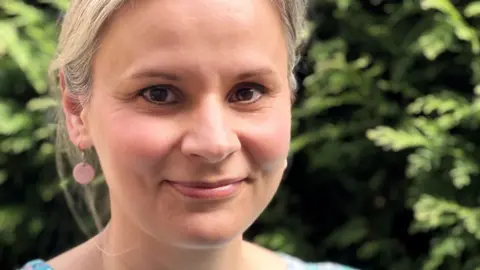
Thousands of mums have undiagnosed PTSD, study says 4 hours ago Zoe Applegate Norfolk UEA Dr Megan Foreman says PTSD usually happens after a traumatic pregnancy or delivery, but can also occur after a medically straightforward birth Thousands of women in the UK may be suffering from undiagnosed post-traumatic stress disorder (PTSD) after giving birth, a study has found. Lead researcher and GP Dr Megan Foreman said the University of East Anglia (UEA) report showed one in 20 new mothers developed PTSD. Women can suffer from the disorder after a difficult pregnancy or birth and symptoms include flashbacks, nightmares, anxiety and persistent troubling thoughts.
"We're calling for research to look at how to improve the care women get and how to improve the guidelines, so GPs have a really evidence-based and structured system," she said. Foreman said guidelines needed to be produced so doctors could follow them "if they're unsure about how to look after these women". "I think women need to be empowered with information so they feel in control, and that when they've had a baby, if they feel things aren't right, they know where to go." Maternal suicides remain the leading cause of deaths in women between six weeks and a year after pregnancy, recent figures show.
Although birth trauma is mentioned in national guidance from NICE and NHS England, the Diagnosing in the Dark report showed GPs were not given practical advice on how to measure severity, assess risk or decide who needed specialist treatment. "People will always say it's difficult to offer the level of support we'd like because services are overstretched," said Foreman. "But what we'd really like to do - working with women - is to look at how we can, in a realistic way, improve things." Paula Cleary Paula Cleary says women using maternity and postnatal services need to be treated with love and kindness by healthcare workers Women living with perinatal mental health conditions are often unable to access appropriate care, the report said.
Norfolk birth campaigner Paula Cleary, who is a mother of five, believes postnatal mental health conditions are being missed due to the number of health professionals involved. Cleary, who is also a doula (a non-medical support worker who guides mothers through pregnancy and childbirth) says there are "a lot of different services in Norfolk on the NHS that I'm not even sure GPs are referring women to". "Birth trauma isn't something that happens in a vacuum," she said.
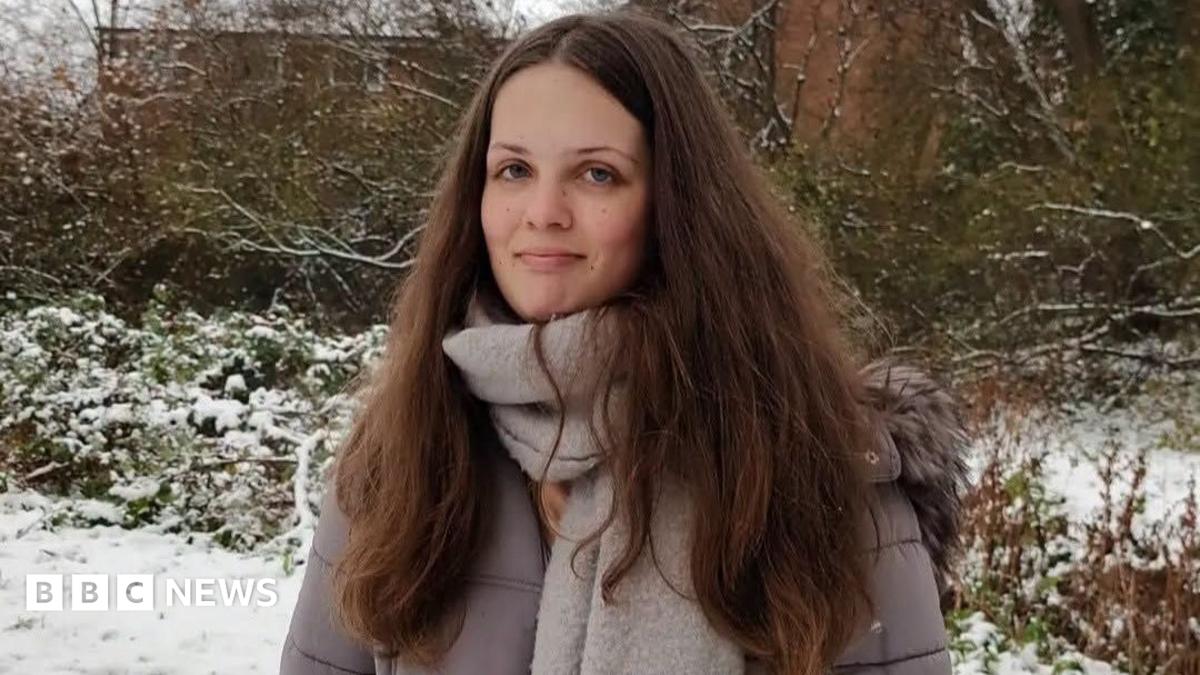
"If they are getting very rushed and disjointed care from well-meaning and lovely care providers but who are stretched really thin, they're not building up a meaningful relationship with the same caregivers." She continued: "It always comes back to the lack of a continuity of care." Chloe Mallett Chloe Mallett says her concerns for her new baby went into "overdrive" due to her five-year struggle to conceive Chloe Mallett, 31, from Watton in Norfolk, was diagnosed with postnatal anxiety after giving birth to her son in June 2025 following a five-year struggle to conceive. The former sales administrator had started to pursue adopting a child, when she found out she was pregnant. Mallett said while she had a "fantastic" hospital birth, her long quest to get pregnant "triggered my protective nature and I went into overdrive".
She said she was troubled by intrusive thoughts and felt unable to leave her son with anyone but his father. Mallett said she had been cared for during her pregnancy and for a month after the birth by the same midwife, who she had got to know well. But she felt she lost that reassurance once health visitors took over, who made two or three visits over the next four months.
The new mother said she had been "confused" by her thoughts, before a health visitor told her to go to her GP. Mallett said she was initially referred to counselling but felt it did not help. She was then prescribed anti-depressants, which "slowed down" her panic, and she also found solace in talking to fellow new mums at a baby group.
She said: "Having that group was probably the only thing that got me through the hardest point - being able to talk and someone go 'yeah, I felt like that'. "Sometimes people don't like to talk about it - I want to be the one to talk about it because if I can help somebody... then that's fantastic." Mallett said she felt while there was help out there, not enough parents knew about services available. The UEA report, published in the British Journal of General Practice, has called for a validated assessment tool that could be used by GPs during the routine six-to-eight-week postnatal check to help identify PTSD symptoms.
It also said GPs needed to be able to sensitively ask questions to women - some of whom might not be ready to talk about traumatic pregnancy and birth experiences - during these appointments. Warning signs could be better spotted by improved GP training, more awareness and clear referral pathways into specialist services, researchers said. In a statement, an NHS spokesperson said: "Last year almost 67,000 women accessed specialist perinatal mental health services and all integrated care boards now provide maternal mental health services for women experiencing mental health difficulties linked to birth trauma or loss.
"Every new mum should also be offered a post-natal GP check, including a discussion about their mental health." It urged any struggling new parents to contact a healthcare professional. More on this story Related internet links
Source: BBC